


SERVICES
Explore our range of services
Whether you call it a virtual office, virtual address or registered office – it’s the same services. The difference lies in how you use it.




Virtual Office Locations
Explore our 60+ Australia wide virtual office locations
With over 60 locations across Australia, Virtual HQ has the perfect virtual office address to suit your business needs.




Virtual HQ Categories
Understanding Virtual HQ’s unique location categories
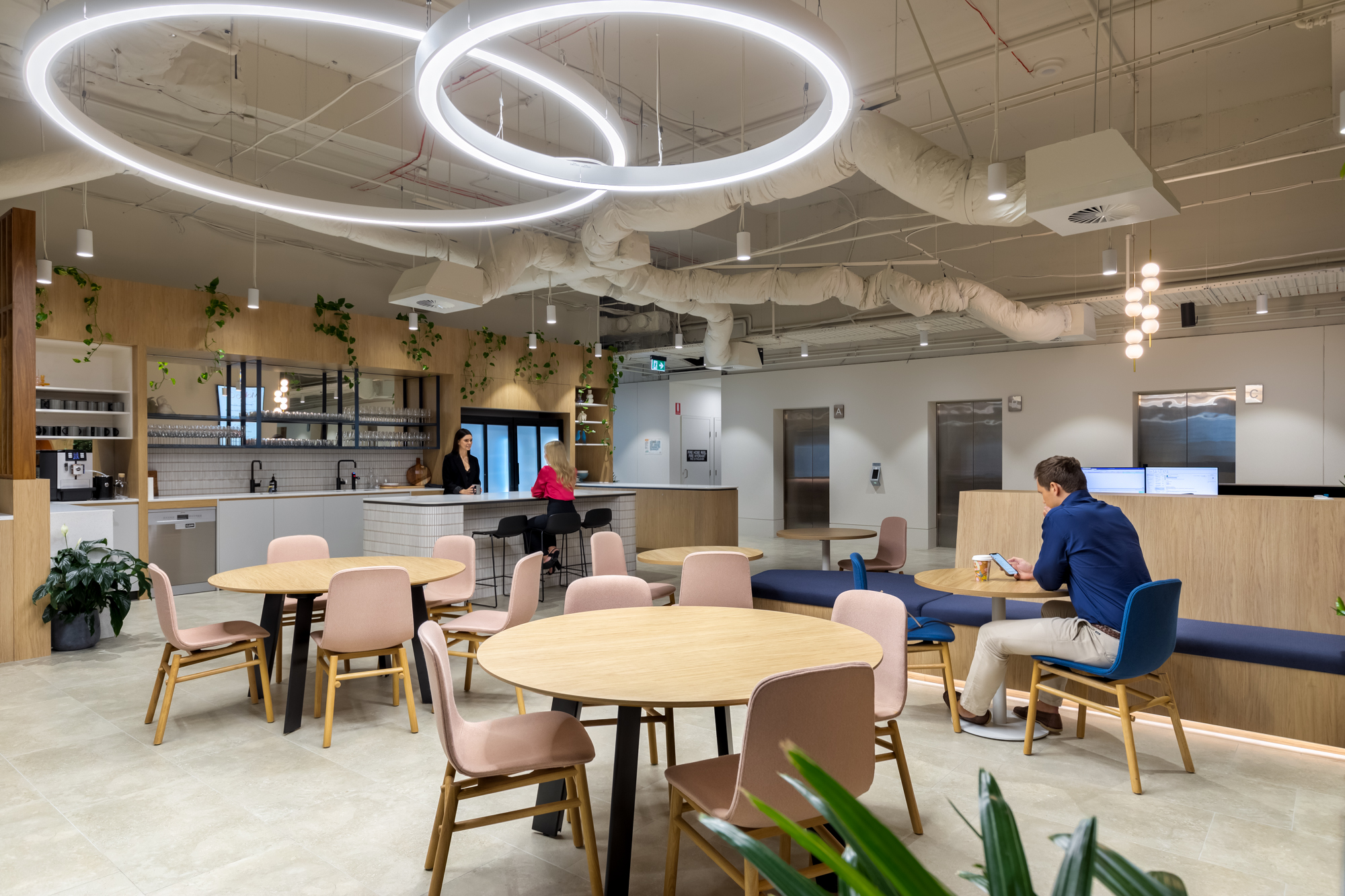
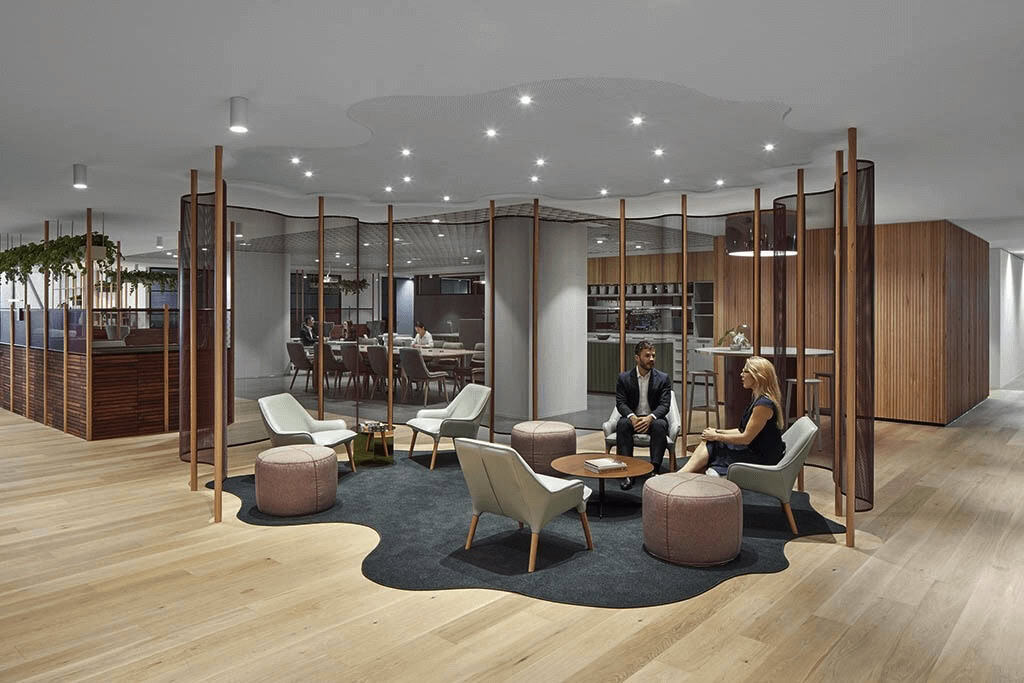
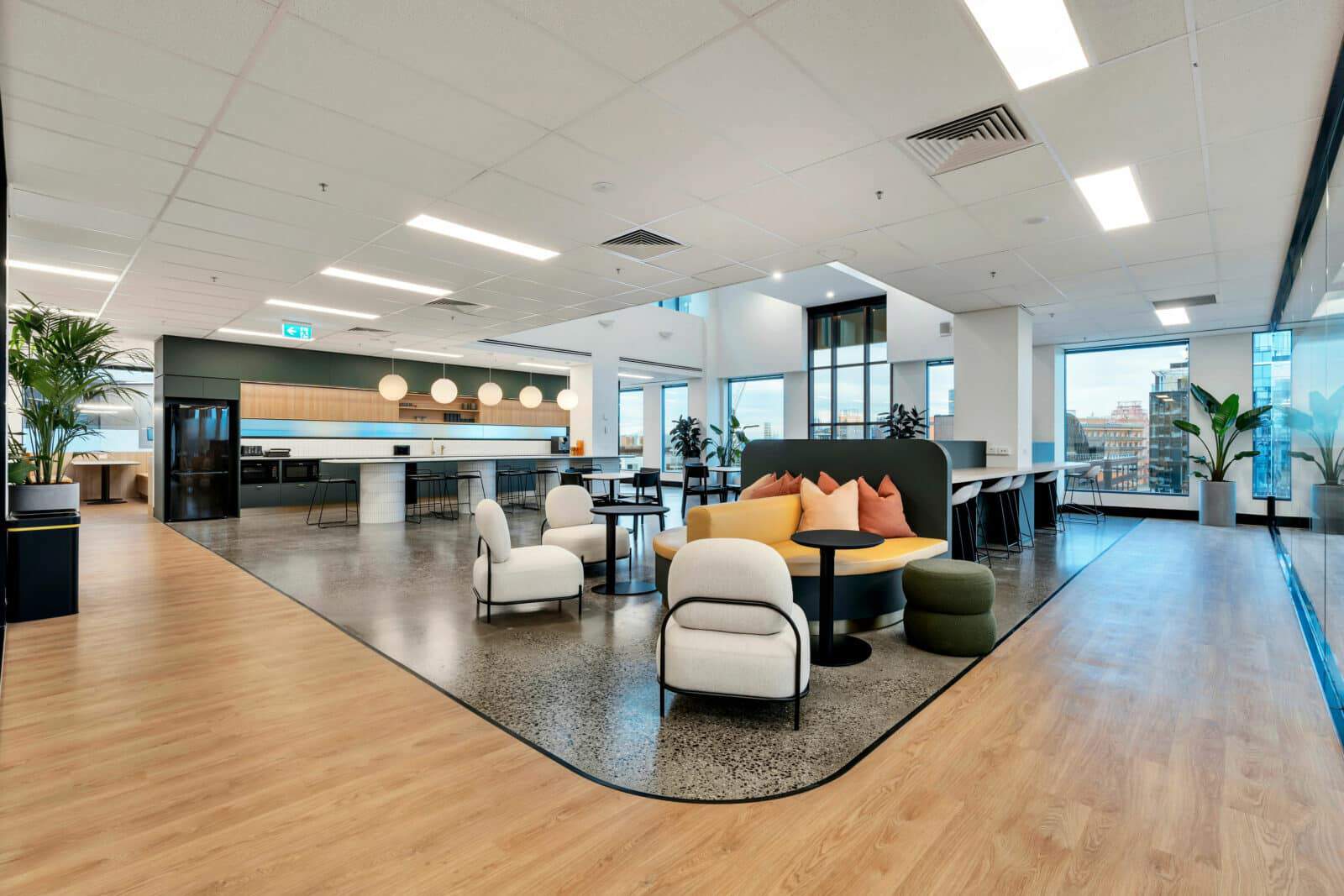
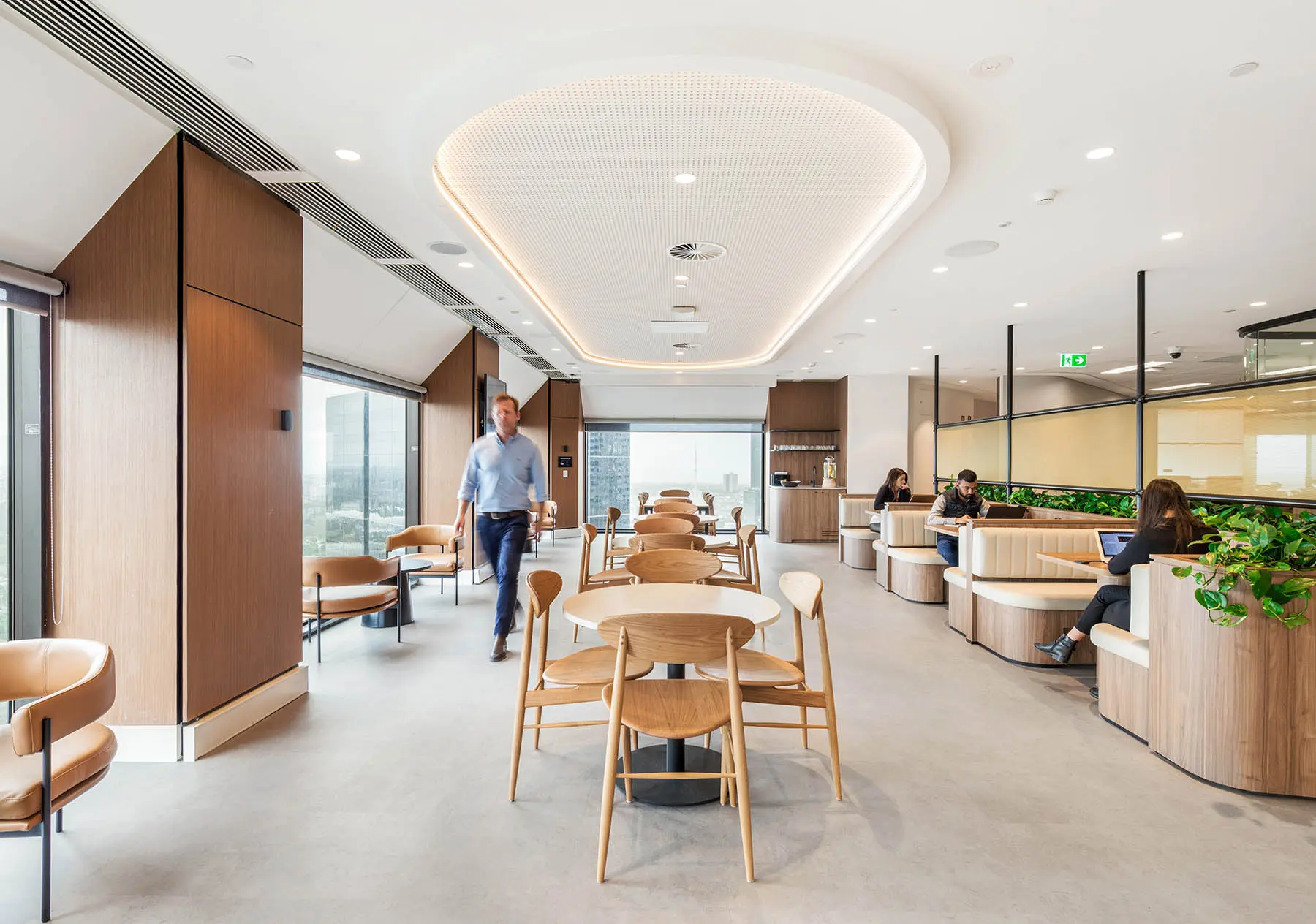
Our business centres offer bronze, silver, gold, and diamond tiers, each tailored to suit your business’s needs

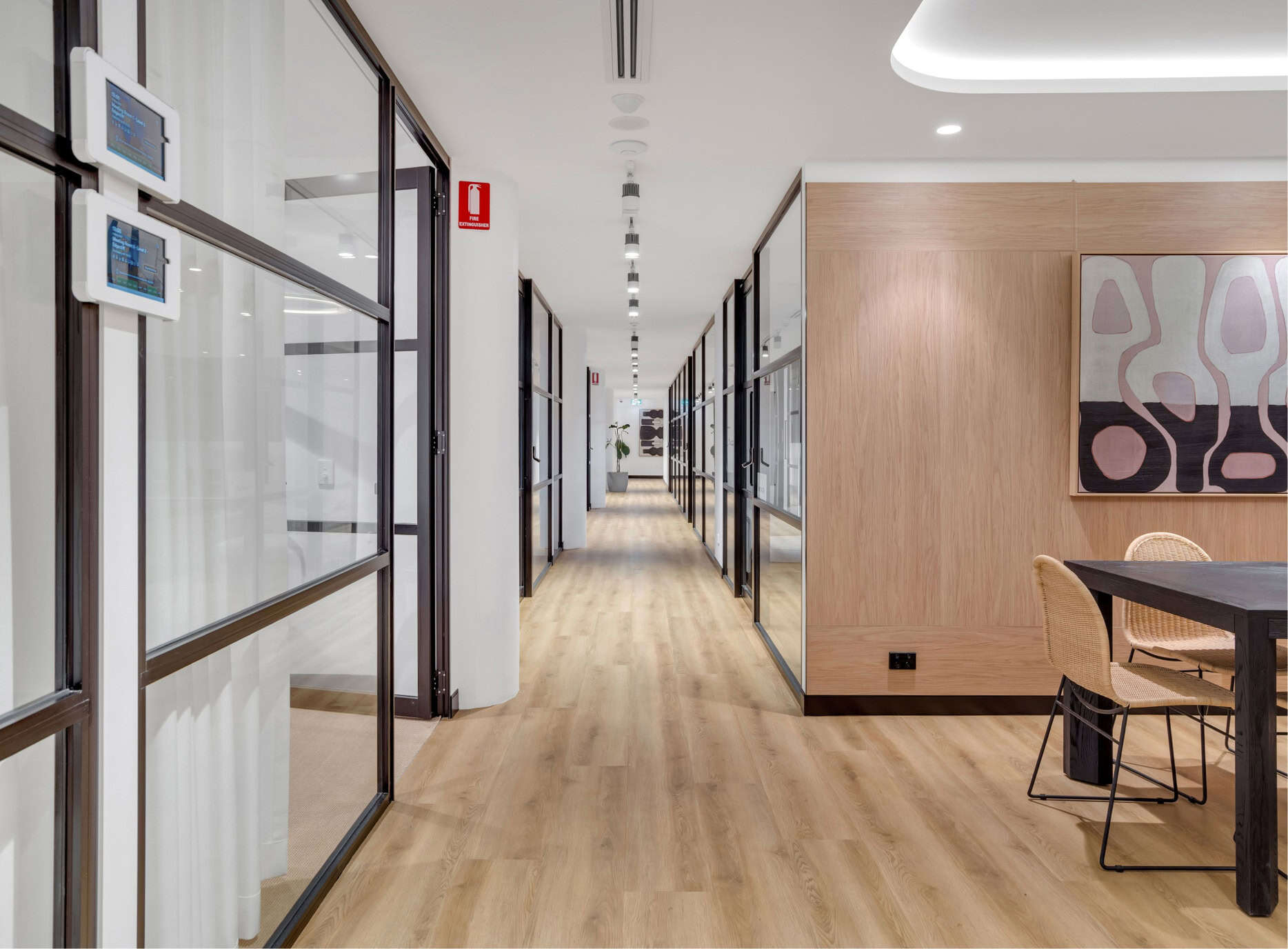
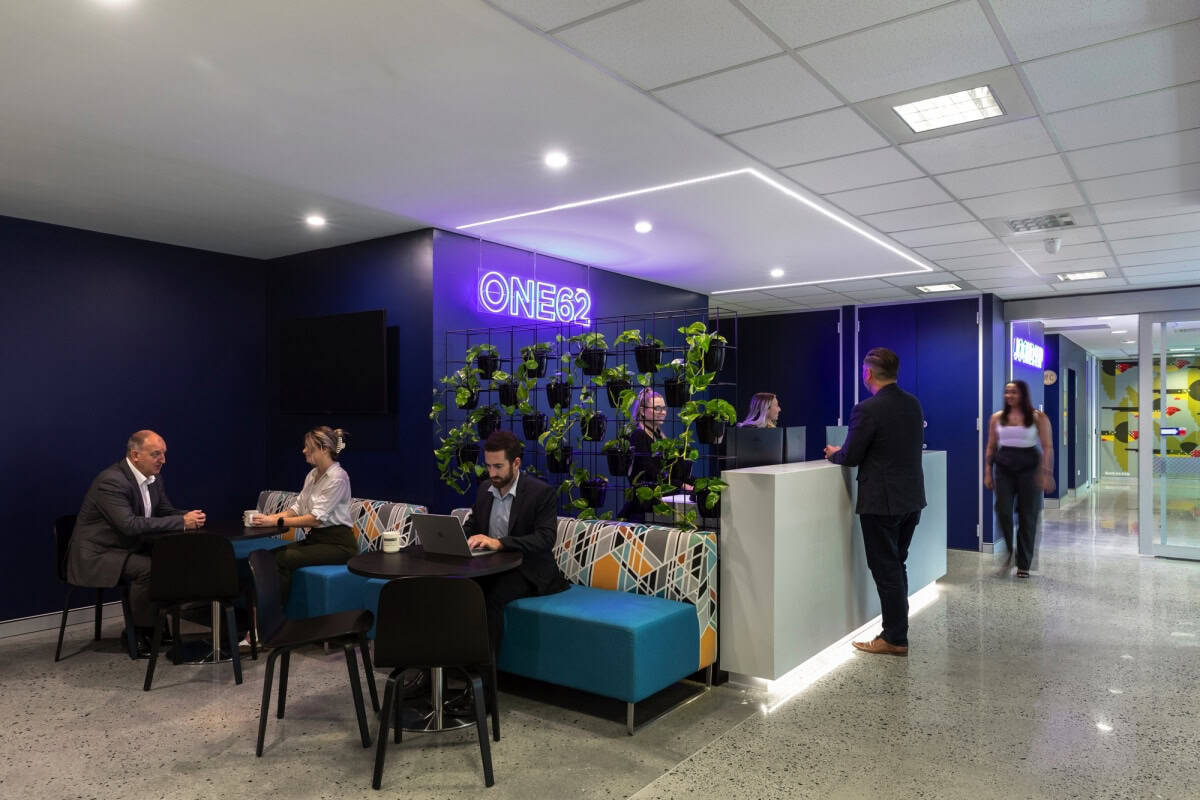
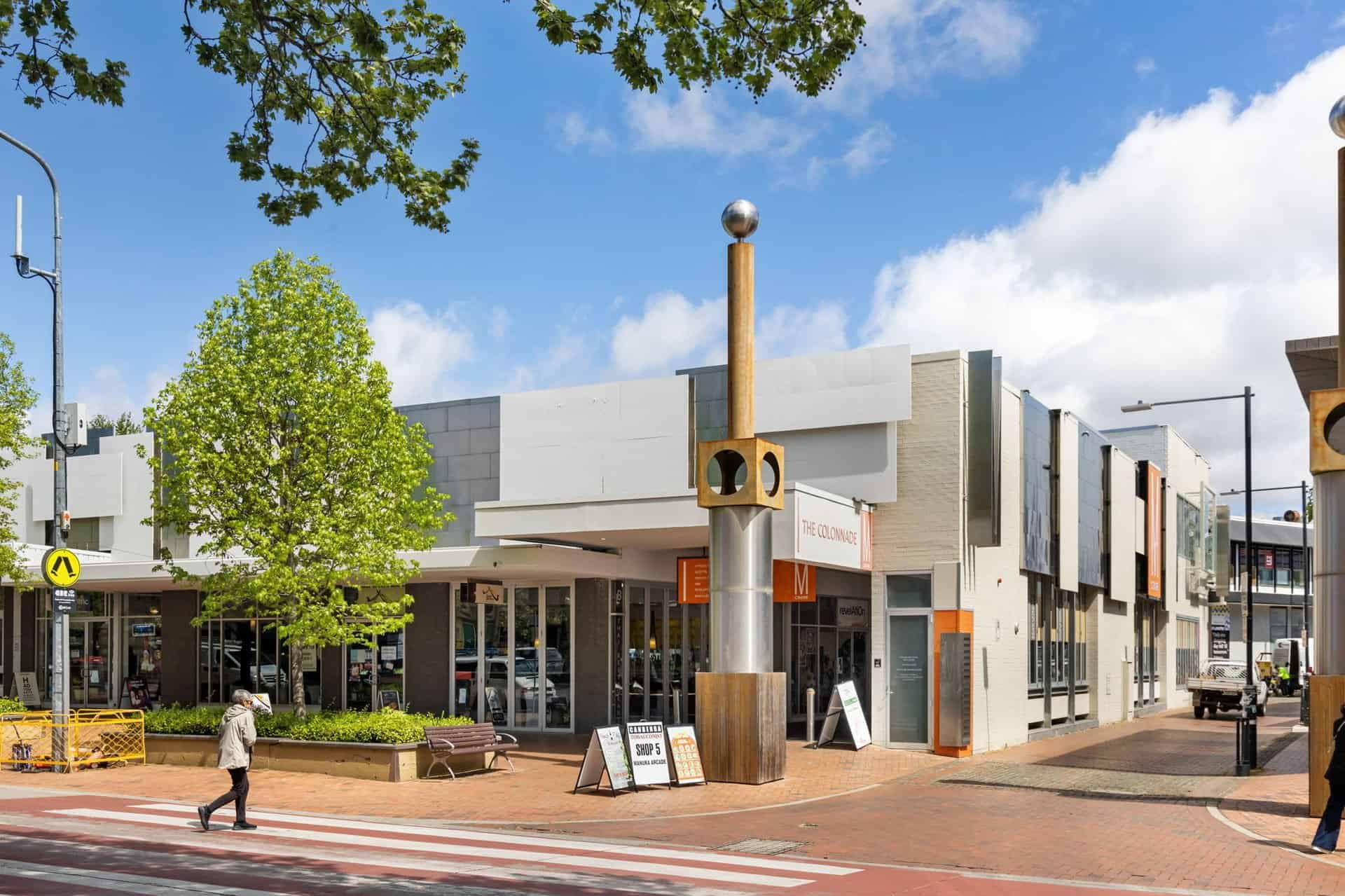
Virtual HQ Bronze
The mail doesn’t complain despite no view.

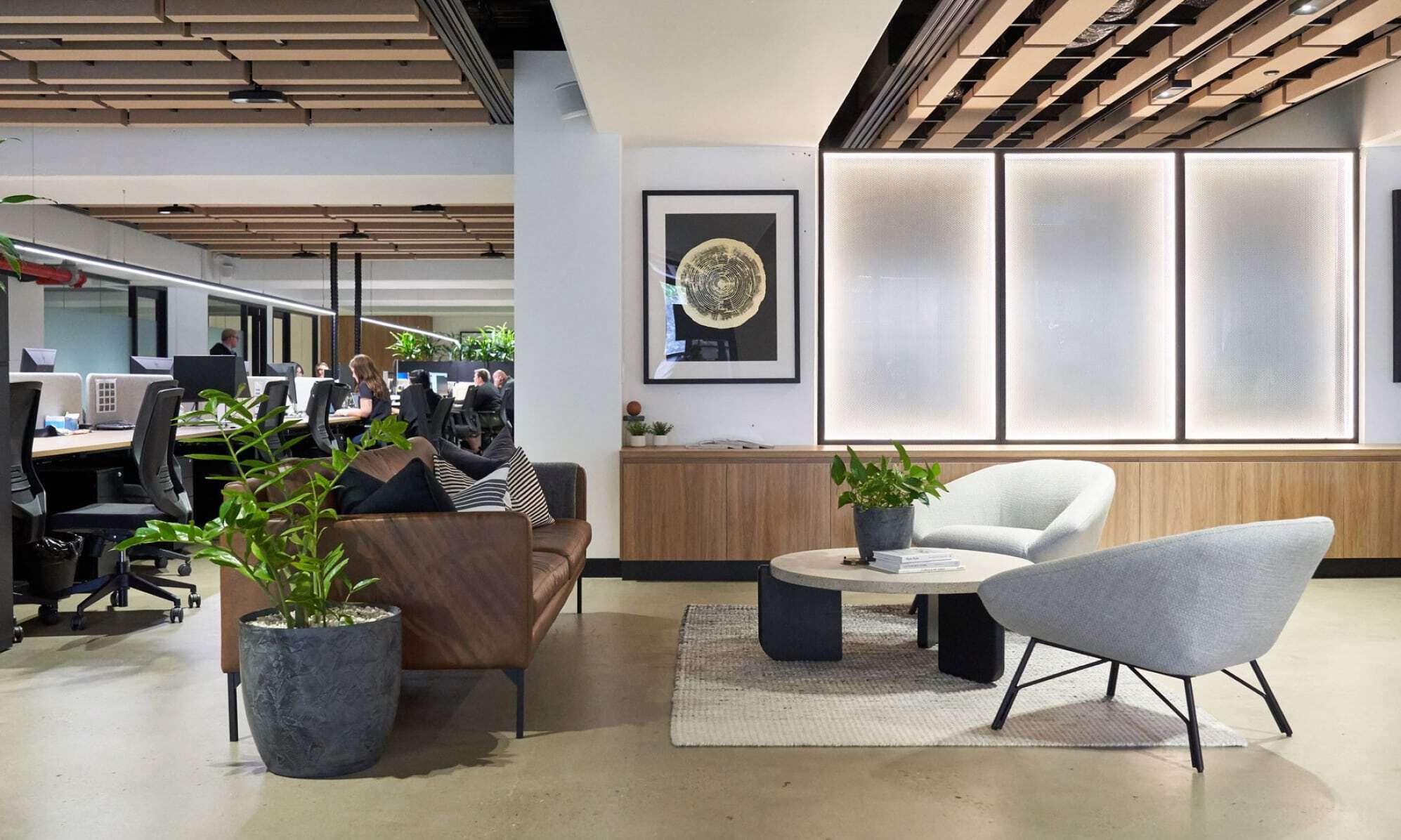
For Caitlin, who’s juggling work-from-home life and a growing business, Bronze offers the ideal solution. She doesn’t need a physical office, but Bronze gives her a professional business presence. With privacy, credibility, and flexibility, Caitlin can keep her home address private while still looking polished and trustworthy. ASIC-compliant and more professional than a PO Box, Bronze helps Caitlin receive mail and maintain her business image—all for minimal cost.

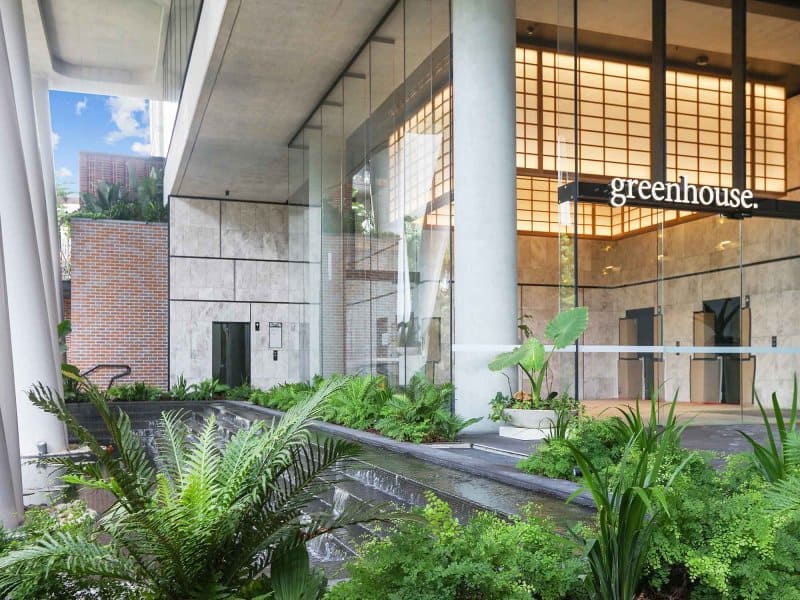
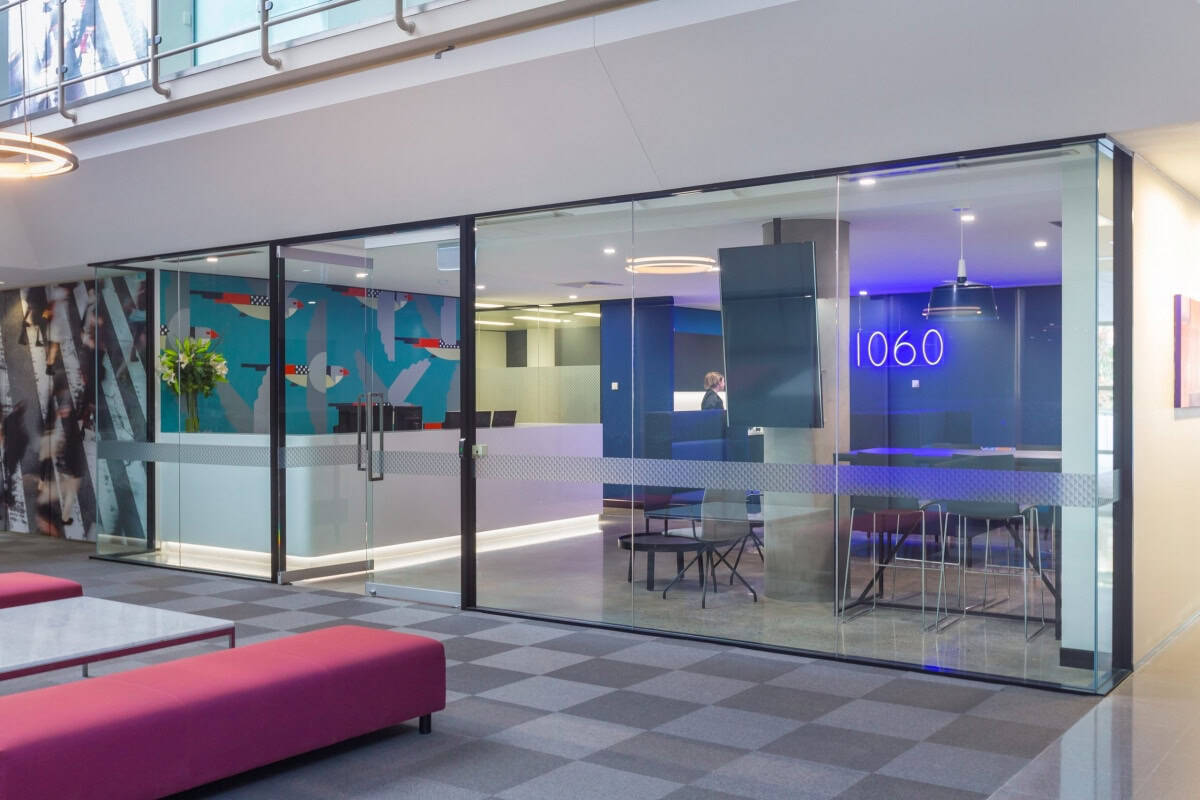
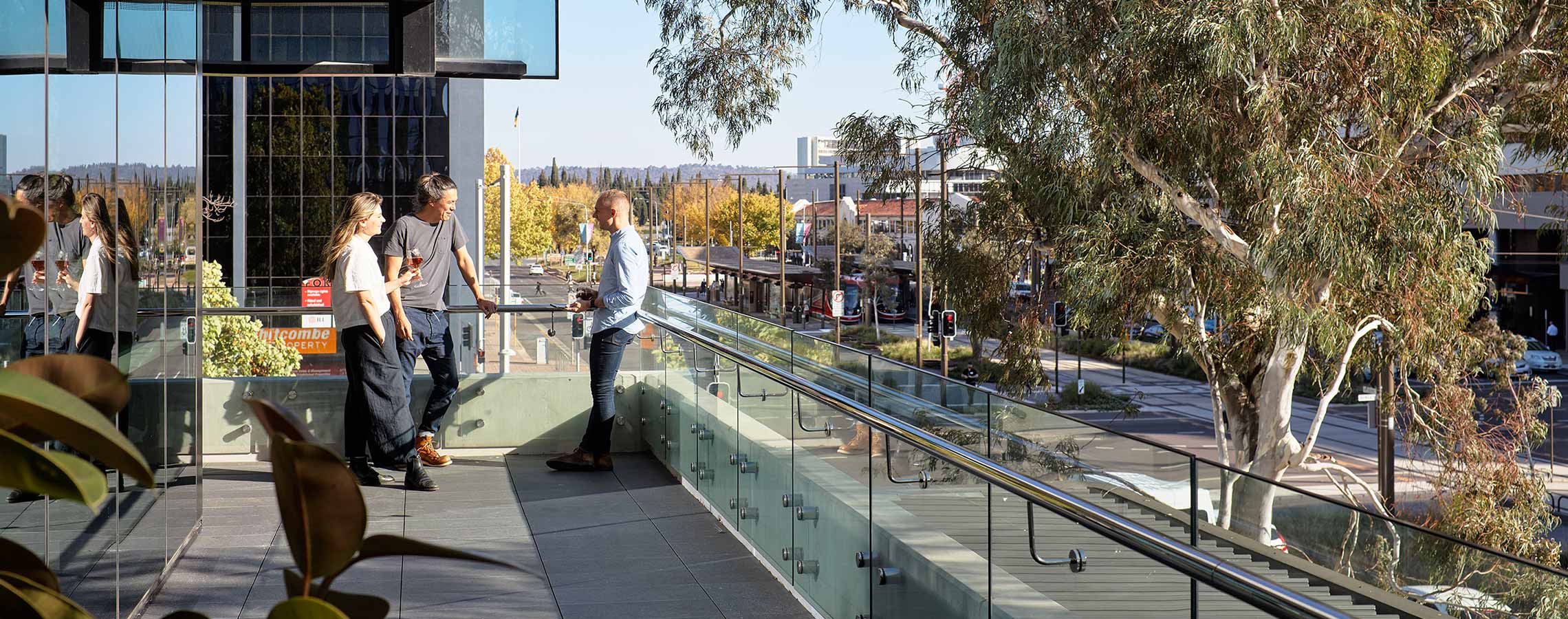
Virtual HQ Silver
Where professionalism meets practicality.

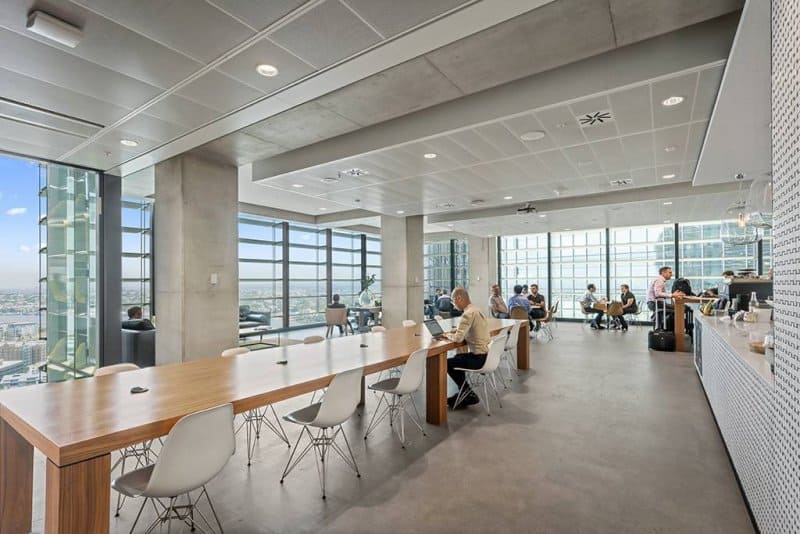
For Olly, running a business from home, Silver provides not just a virtual address, but the opportunity to meet clients in professional, well-equipped meeting rooms. Olly values the privacy and credibility Silver offers, allowing him to project a polished image without needing a full-time office. From secure mail handling to having a space for important face-to-face meetings, Silver ensures Olly’s business looks established and professional, all at a reasonable cost.

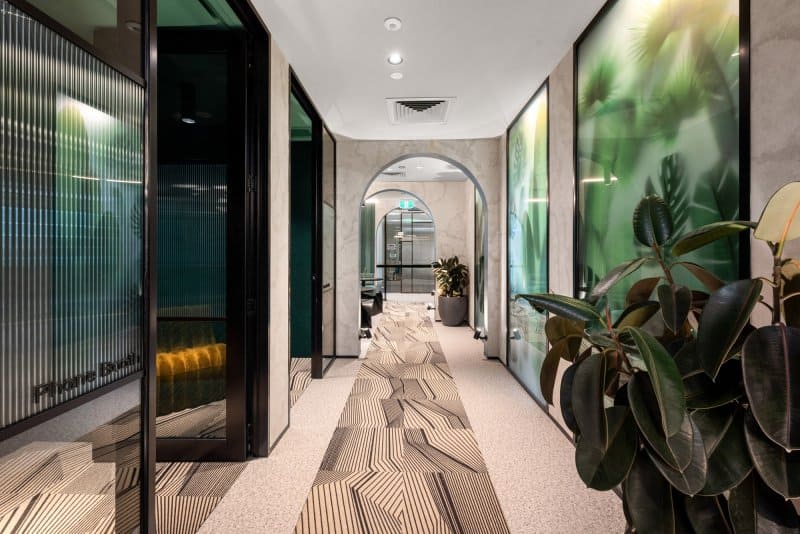
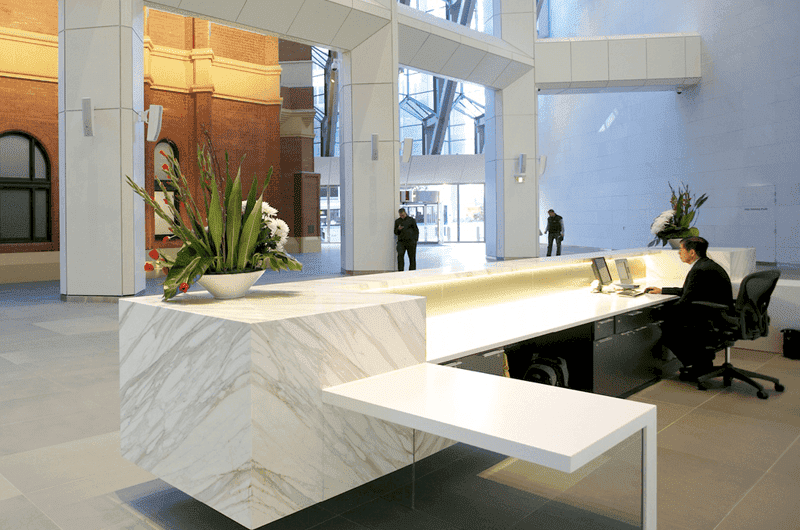
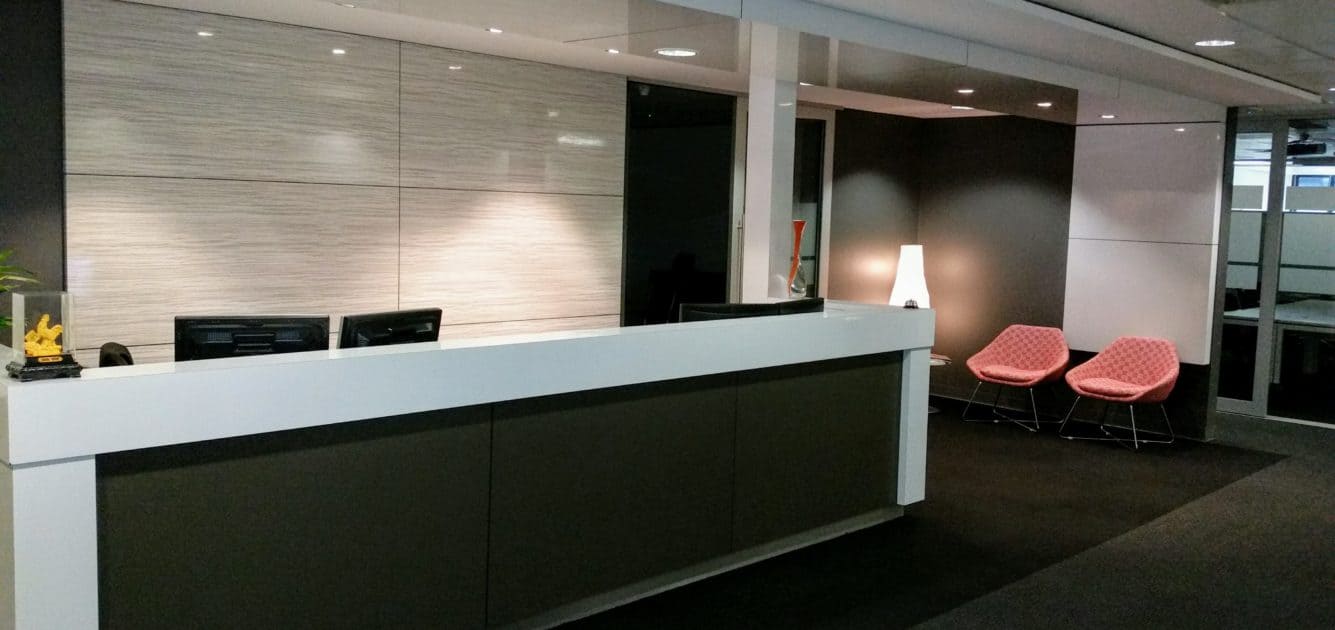
Virtual HQ Gold
First impressions count.

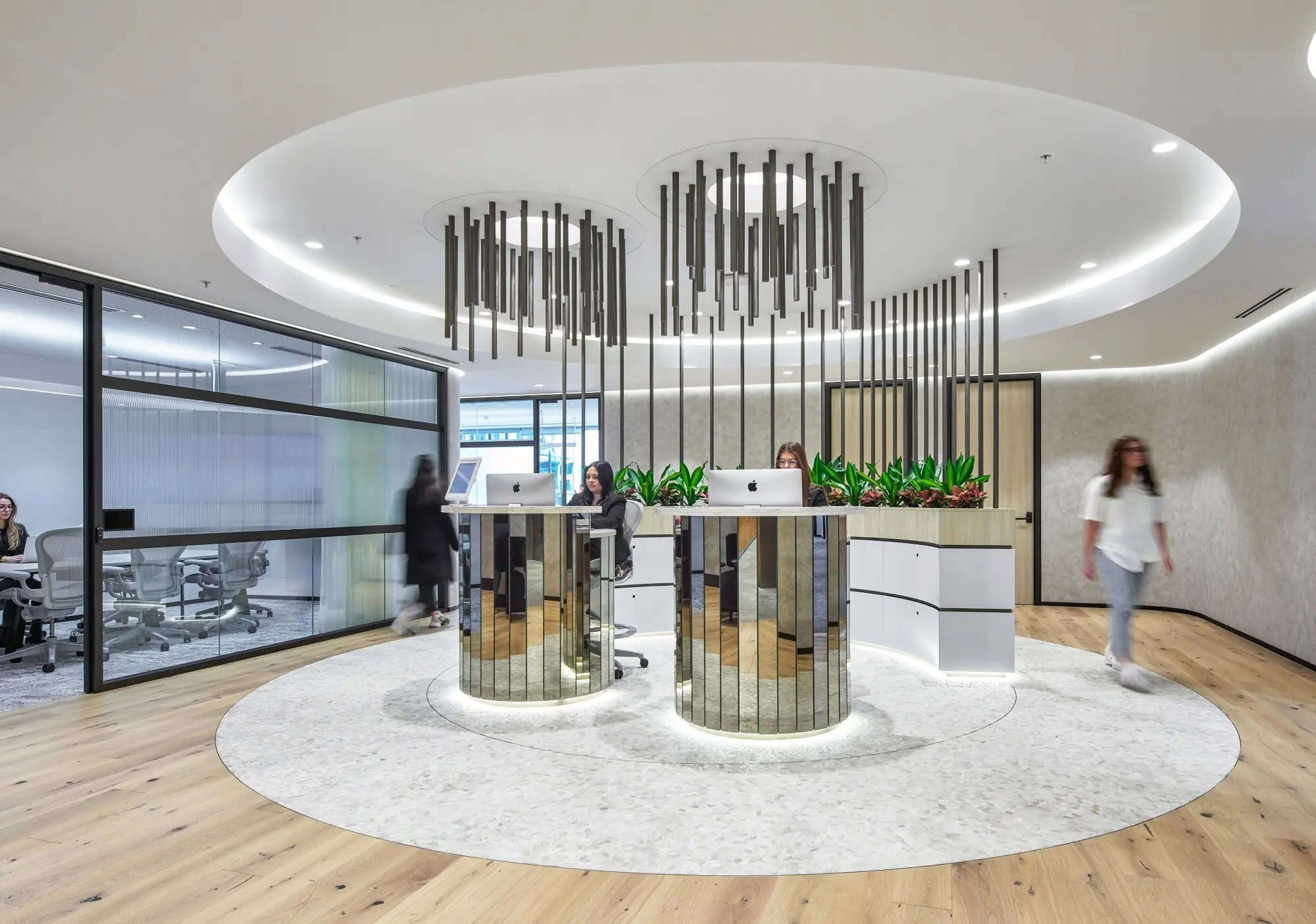
For Allie, Gold offers everything a business needs: a prestigious virtual address for receiving mail, ASIC registration, and marketing purposes, along with flexible access to meeting rooms and private offices. The reception desk staff greet clients when required, adding a professional touch. With expansive co-working spaces, breakout areas, and a polished, high-end environment, Gold ensures Allie’s business runs smoothly and maintains a sharp, credible image.
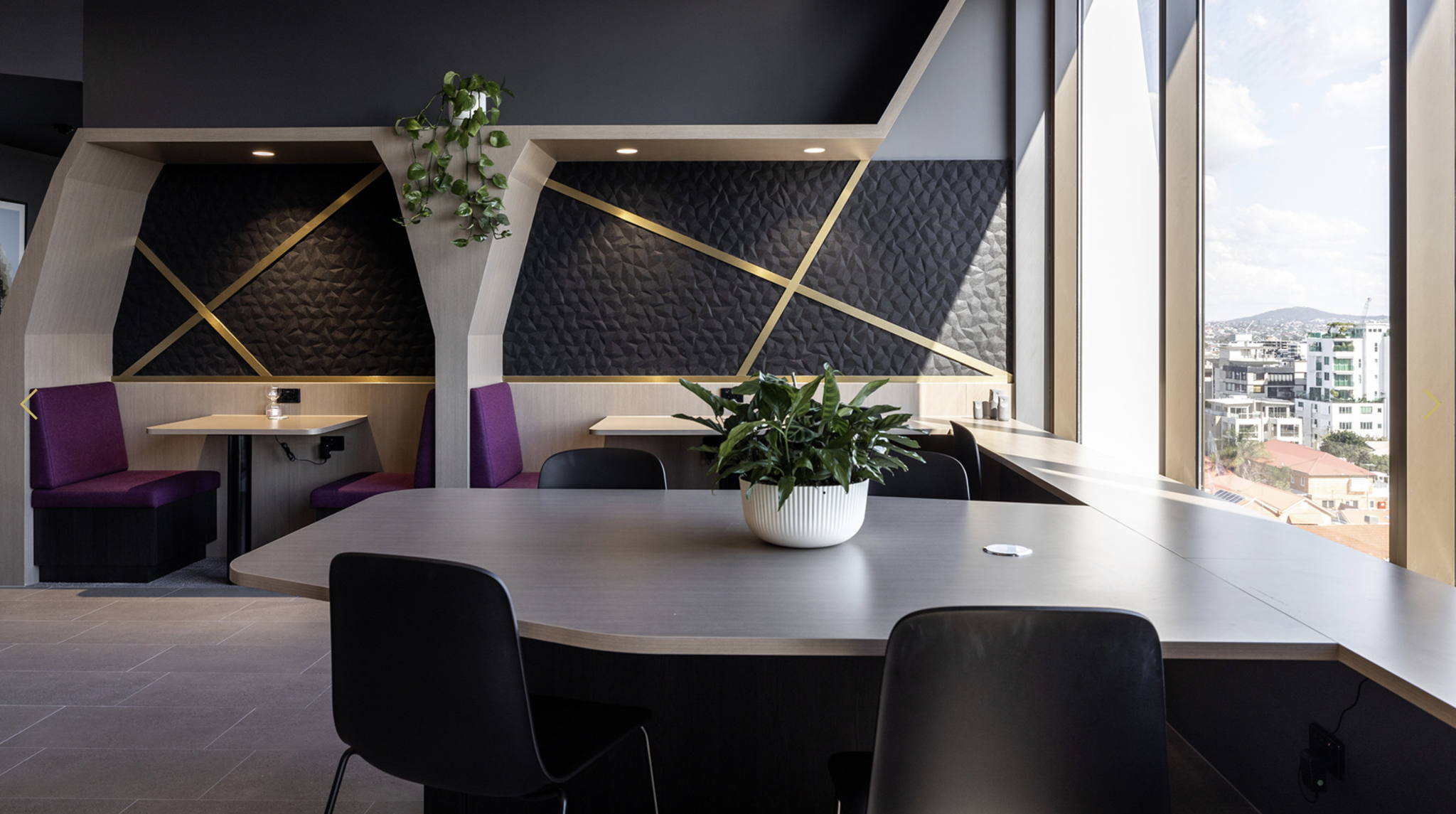
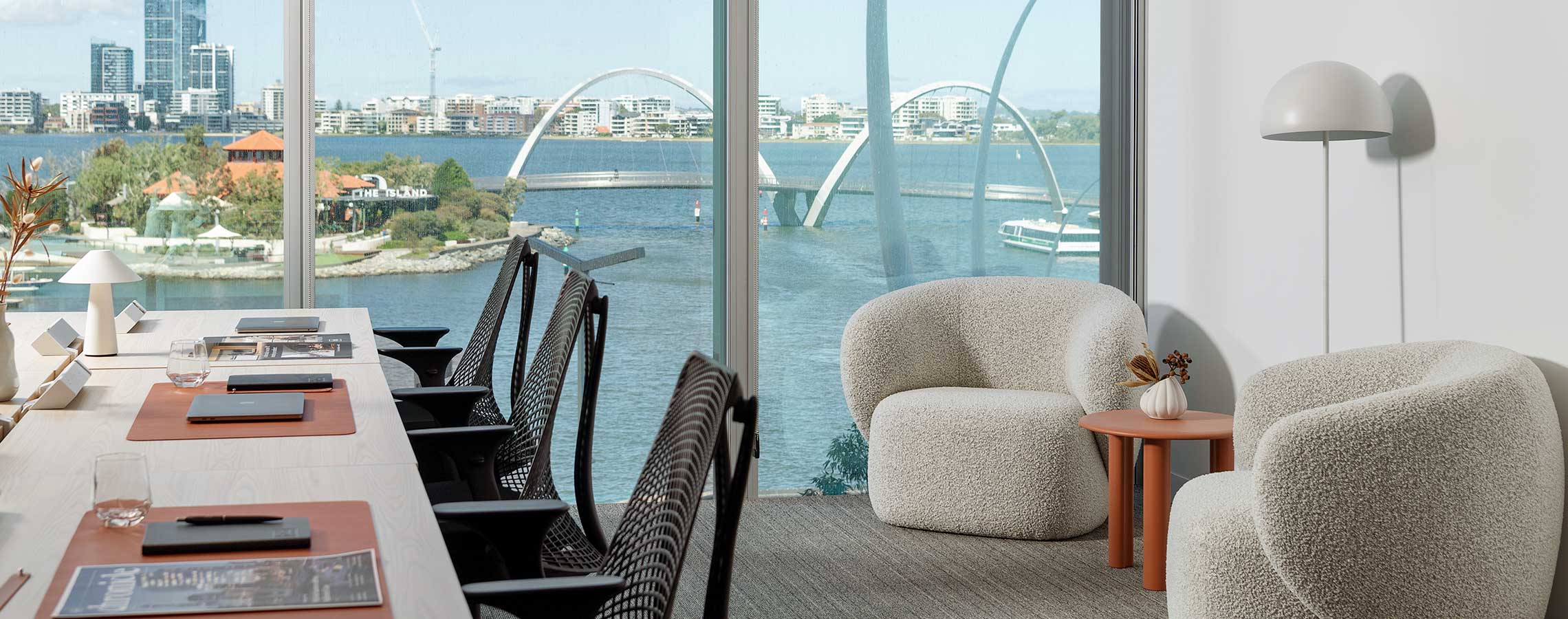
Virtual HQ Diamond
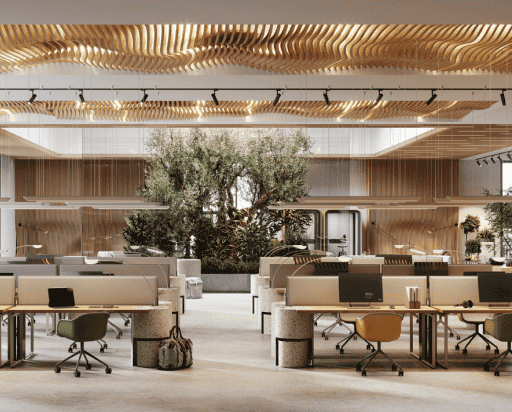
Where every detail is crafted for excellence.

For someone like Jono, who seeks an impressive business presence, Diamond offers the luxury and sophistication of a first-class office, but at the price of a virtual address. With opulent meeting rooms and modern, five-star facilities available on an ad-hoc basis, Jono enjoys all the prestige without the commitment of full-time space.





“The future of flexible work is here. Your success inspires us, and the future excites us. We’re proud to represent your business with integrity, purpose and a vision for tomorrow’s workspace”
– EMMA, VIRTUAL HEADQUARTERS
Virtual HQ has been providing virtual support services to Australian businesses for over 20 years
With two decades of experience, Virtual HQ has been the trusted partner for businesses across Australia. Our comprehensive virtual services are designed to enhance your professional presence and streamline your operations.
60+
60+
Over 60 locations across Australia
15000
15000
15,000 clients served with our Virtual Address and Virtual Reception Services
20yrs
20yrs
Providing virtual office services to Australian businesses for over 20 years

About Virtual HQ
Supporting Australian businesses for over 20 years
For over two decades, Virtual HQ has empowered Australian businesses with virtual address and receptionist services, helping them thrive in today’s dynamic workspace environment. Founded by Mike Davison in 2007, Virtual HQ was built on a visionary approach to addressing the evolving communication needs of businesses. In 2020, his daughter Emma joined the business, bringing strategic leadership and a passion for innovation, driving the company to embrace new technologies and reimagine its role in the modern professional landscape.
Virtual HQ offers two core services: virtual address solutions, providing businesses with a professional presence, and virtual receptionist services, offering seamless call handling with no lock-in contracts. Guided by values of integrity, collaboration, and excellence, our mission is to deliver flexible support that simplifies operations, fosters trust, and empowers businesses to grow.
Virtual HQ Clients
A trusted partner to businesses of all sizes


Virtual HQ Locations
Premium virtual address locations Australia wide








Get in touch
Have questions or need assistance? Contact us today to see how Virtual HQ can elevate your business. Our friendly team is ready to help